

Great competition starts with everyone knowing what to expect.
You know your dancers better than anyone. Our goal is to give you clear guidelines so you can confidently place your dancers, understand how they'll be evaluated, and know what to expect when you arrive at Spotlight.
You don't need to memorize the rulebook.
Here are the things we think every Studio Director should know.
FINDING THE RIGHT DIVISION
Spotlight welcomes studios and dancers at every competitive level. We also know that what "beginner," "intermediate," or "advanced" looks like can vary significantly from one studio to another.
That's why our divisions are designed around skill level.
When placing your dancers, look at the dancer's demonstrated skill set and the difficulty of the choreography they're performing — then consider where that dancer fits within the larger competition landscape.
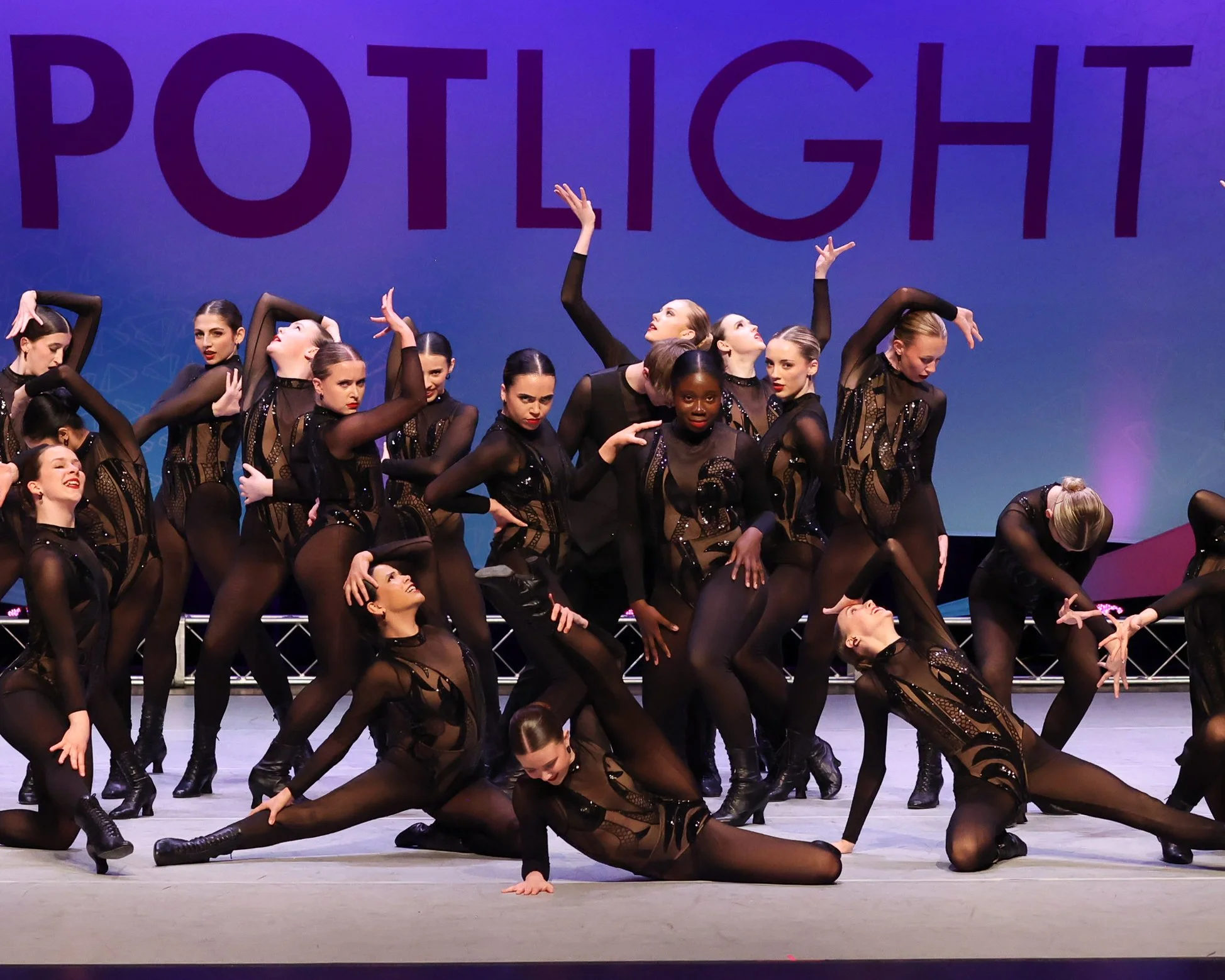
NOVICE GEMS
For dancers demonstrating a foundational skill set.
FUTURE GEMS
For dancers demonstrating an intermediate skill set.
ELITE GEMS
For dancers demonstrating an advanced skill set.
FLAWLESS GEMS
For routines including dancers with exceptional mental and/or physical abilities or dancers with special needs.
ADULT
For applicable routines containing dancers age 20+.
ROUTINES WITH MIXED-LEVEL DANCERS
Your individual dancer placements also help determine where duos/trios, groups, and lines compete.
Spotlight has specific guidelines for routines containing dancers from multiple divisions, including requirements for duos/trios, groups, lines, and dancers participating in multiple Elite Gems routines.Before finalizing registration, take a moment to review the Division Placement and Division Conflict sections of the official rules.
LET'S TALK ABOUT BUMPING
Sometimes a dancer is ready for the next level.
Division placement starts with the Studio Director. Once competition begins, Spotlight's judges also help protect the integrity of each competitive division.
If two or more judges believe that a routine or dancer should be competing at a higher level, the routine may be bumped.
What does a bump mean?
It means the judges believe the performance belongs in a higher competitive division.
It's not intended as a punishment or criticism of the studio.
It's part of maintaining meaningful divisions for everyone competing - while recognizing when a dancer's demonstrated skill level has progressed beyond the division in which they were originally entered.
The current rules also establish what happens after a bump, including whether a routine can recompete for overall placement and the division the dancer/routine must use at remaining Regional events and Nationals. Those specifics should remain in the official rules rather than being duplicated here.

MEET THE PEOPLE BEHIND THE SCORES
MEET TANYA SPOTLIGHT JUDGE supervisor
How does Spotlight select judges?

What does a well-rounded judging panel look like to us?
A well-rounded judging panel includes professionals who can evaluate multiple dance styles across a range of ages and division levels. We aim for varied perspectives, such as a judge with a teacher perspective and a judge coming with a commercial industry perspective. We also ensure that we are bringing specialty judges based on the market of each event.
Why does diversity of dance background/style matter when building a panel?
A panel representing a strong mix of dance styles gives clients the relevant, well-rounded feedback they expect. Each judge brings a unique perspective shaped by their experience in the entertainment industry and/or dance education environment. Our judges live across the country and have worked on Broadway, in film and television, on cruise ships, on international tours, as studio directors, and highly sought after guest choreographers. Together, they bring a wealth of knowledge and a passion for sharing it.
What kind of feedback do we expect judges to give dancers?
We expect our judges to stay actively engaged throughout the whole routine and give a balanced, insightful critique filled with constructive feedback to help educate your dancers on ways to improve and positive reinforcement to motivate them to continue the hard work they are doing. Judges should be providing feedback on each portion of the scoresheet to justify the placement level given so the dancers have a better understanding of how they can continue to improve. We want to inspire the next generation of dancers to be the best that they can be.
WHAT ARE THE JUDGES LOOKING FOR?
Five areas. One complete performance.
Spotlight judges provide feedback across five primary areas:
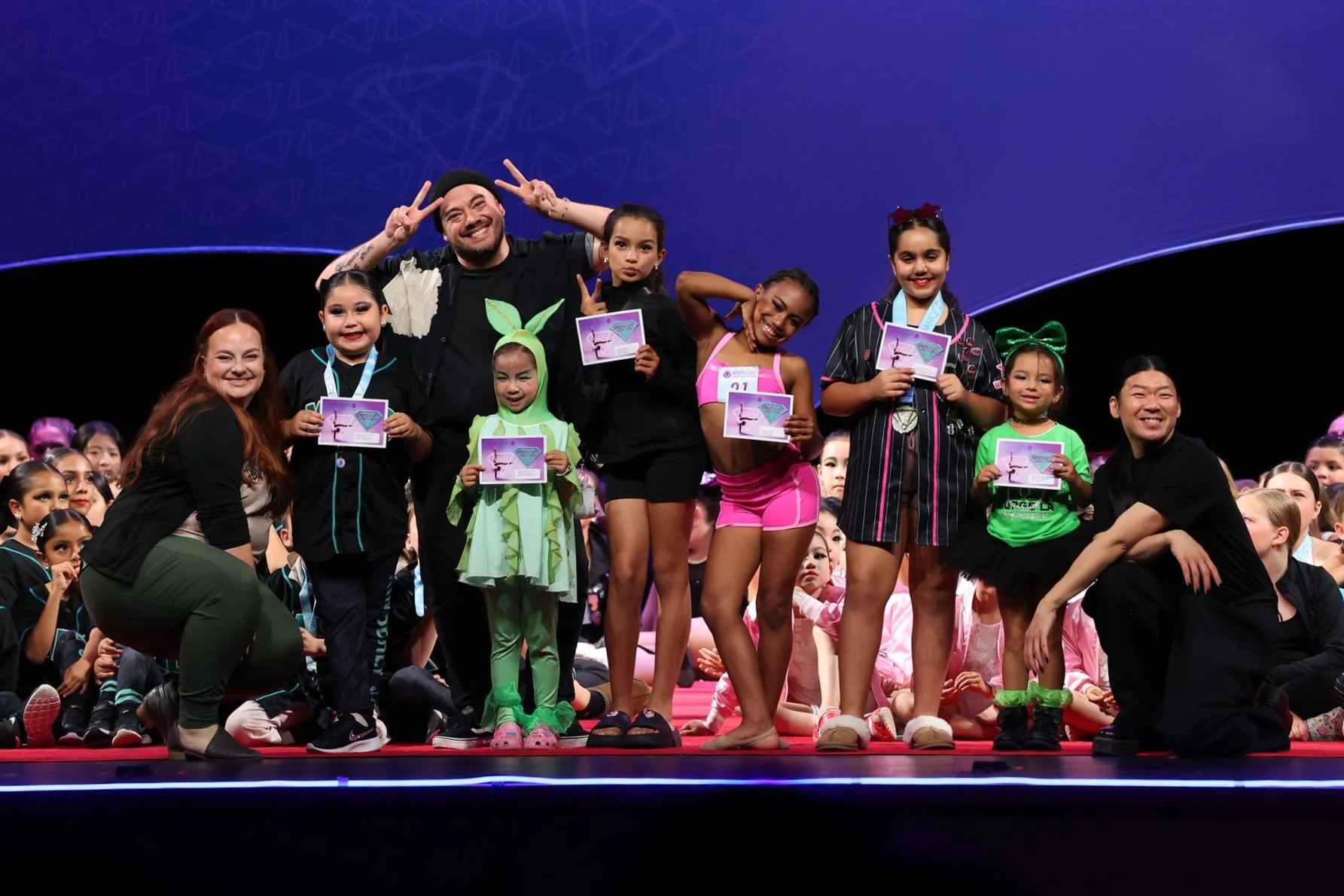
TECHNIQUE
The foundation and technical execution of the movement.
EXECUTION
How successfully the dancers perform what has been choreographed.
PRESENTATION
Performance quality and how the routine is communicated onstage.
CHOREOGRAPHY
The construction and effectiveness of the routine.
DIFFICULTY
The level of challenge presented within the choreography.
The current scoring system weights those areas at 30 points for Technique, 25 for Presentation, 25 for Execution, 10 for Choreography, and 10 for Difficulty per judge.
WHO'S JUDGING MY EVENT?
GET TO KNOW YOUR PANEL
As your event gets closer, we'll share the judges scheduled for your competition city.
Visit your city's event page for your specific judging panel and the latest event information!
A FEW RULES WORTH READING BEFORE YOU COMPETE
The full Spotlight Rules cover everything you need to know, but there are a few sections we especially recommend reviewing before your event:
Division Placement + Division Conflict
Bumped Routines
Group Sizes + Time Limits
Category + Specialty Category Guidelines
Props + Safety
Music Procedures
Please review the music guidelines including the note on Kirbyko Music LLC or Watson Music Group - this includes Space Jam and C’mon N’ Ride It (the Train)
If you have any music conerns please reach out to Changes@Spotlightevents.com to discuss music compliance options
Family-Friendly Policy
Scoring + Penalties
COMING UP NEXT… KNOW YOUR EVENT
Every Spotlight city is a little different.
Your event page is where you'll find the details specific to your competition - including venue information, hotel blocks, important dates, and event updates.
Next, we'll show you exactly where to look and what to check as your event gets closer.